Content Reviewed by:
Tucker Clagett •
September.23.2025
Vertified Content
Sep 23, 2025
| Read Time: 6 minutes
 If you have been in a motorcycle accident, you’re dealing with injuries, damage to your bike, and phone calls from insurance companies. It’s a real pain!
Whether it was a minor collision or something more serious, there are specific steps to take immediately after the crash, during medical care, and when handling insurance claims.
For a comprehensive guide to all types of personal injury accident cases in Maryland, see our Free Legal Guide to Car Accident Cases here. Everything in that guide applies to motorcycles, so don’t let the title fool you.
But some things about motorcycle accidents are unique. This post will focus on motorcycle accidents in particular. Let’s start with what to do after a motorcycle accident in those first critical moments.
Then contact a Waldorf Maryland motorcycle accident attorney for a free consultation on what you should do to protect your rights.
What to Do at the Scene of a Motorcycle Crash
The minutes after a crash are stressful and disorienting. Your priority is safety, but there are also steps to take before the scene clears that will matter later for your health and claim.
Move to Safety
 If you can walk without worsening an injury, get out of the travel lanes and wait on the shoulder or sidewalk. Motorcycles often come to rest in the middle of the road, exposing riders to passing traffic. Leave the bike where it is until emergency crews or a tow truck can move it safely.
Call 911
Call 911 immediately if anyone is hurt or there is significant damage. Police create the first official report of the crash, which insurers rely on to assign fault. Paramedics can evaluate everyone involved and begin medical records tied to the accident.
Check Yourself for Injuries
While waiting for help, look over your body for bleeding, swelling, or pain when you move. Tell paramedics exactly what you notice, no matter how small. A detailed description helps them decide what needs treatment right away.
Take Photos
Use your phone to capture the crash site before anything is moved. Photograph both vehicles, the road, skid marks, signs, and your gear. Take wide shots so we can see the entire scene. Take close ups of any damages, skid marks, etc. If your helmet, jacket, or gloves were damaged, include them.
Exchange Information
 Get the other driver’s name, phone number, license plate, and insurance details. Taking a photo of their license and insurance card is faster and more accurate than writing it down. Check for a company name if it’s a work vehicle.
Get Witness Contact Info
Approach anyone nearby who saw what happened and ask for their names and phone numbers. Independent witnesses can confirm details such as whether the driver failed to yield or turned without signaling.
Wait for the Police
Stay until officers arrive and take statements. Do not leave the scene of an accident. That’s a big legal no-no. Speak calmly and only about what you saw or experienced. Do not guess about speed, fault, or the other driver’s actions.
Do Not Admit Fault
Avoid apologizing or making casual comments that sound like you’re accepting blame. Even a quick “sorry” can be misinterpreted as an admission of partial fault. Under Maryland’s contributory negligence policy, if you hold any blame in the accident, you could lose your right to recover compensation for your damages. That’s why it’s key to stick to facts when speaking with the other driver, witnesses, or police.
What to Do in the First 24-72 Hours After a Motorcycle Accident
The first 24 to 72 hours after a motorcycle crash are critical. This is the window to get checked out, notify insurance, and begin tracking the effects of the collision on your life.
Here’s what to prioritize.
Get a Medical Evaluation
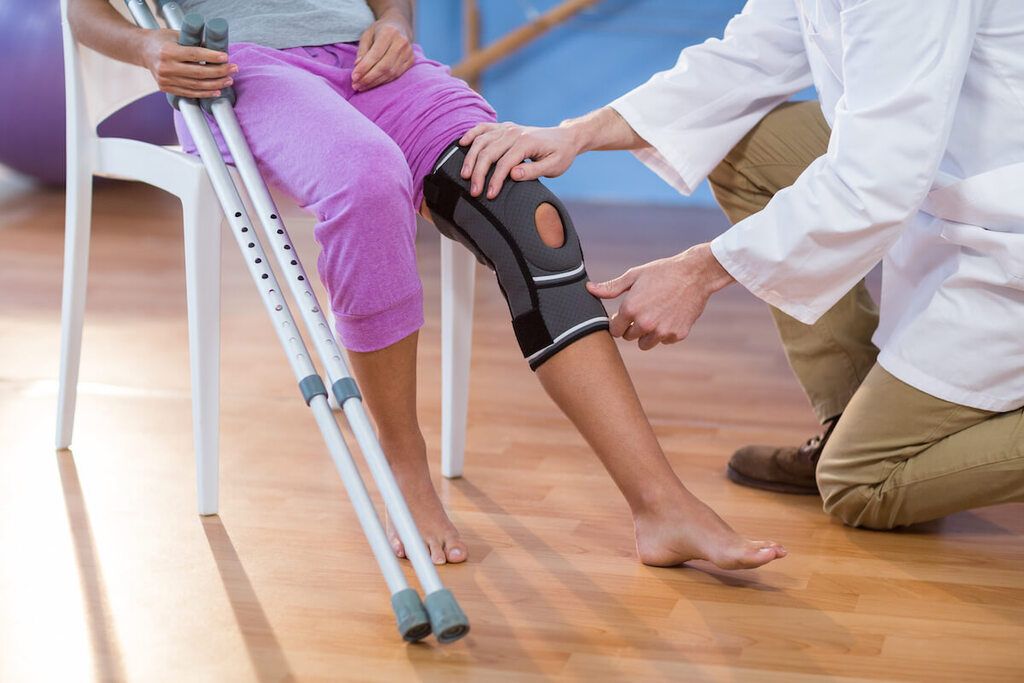 See a doctor within 24 hours, even if you think you’re okay. Tell them you were in a motorcycle crash and explain every symptom, even small ones. Follow their instructions and save all paperwork from the visit.
Be aware of how medical care is paid for after a motorcycle accident. Read our post about getting medical care after an accident here.
Report the Crash to Your Insurance Company
Call your motorcycle insurance company within the first day or two to open a claim. Share the date, time, location, and police report number if you have it. They may schedule an inspection or ask for photos of the damage.
Be Cautious with the Other Driver’s Insurance
If the other insurer contacts you, you can refer them to your own insurer, or better yet – to your attorney. You are not required to give a recorded statement. Be polite but firm and avoid discussing injuries or fault.
Request the Police Report
Call the responding department and ask when the report will be ready. Once you get a copy, review it carefully for missing or incorrect information. Write down anything that needs clarification.
Track Symptoms and Expenses
 Keep a notebook or digital log of how you feel each day. List any new pain, discomfort, sleep issues, or time missed from work. Save receipts for medical bills, rides, gear, and any other crash-related costs.
Check on Your Motorcycle
If the bike was towed, find out where it is and whether fees are adding up. Remove personal belongings and take photos of the damage. Wait for your insurer to inspect it before approving repairs or a payout. Everything in this post about property damage claims applies to motorcycles.
What to Do in the Weeks That Follow a Motorcycle Wreck
Once the immediate crash response is behind you, the next few weeks are about following through, staying organized, and protecting your claim.
Medical Follow-Up
Attend every follow-up appointment and follow your doctor’s treatment plan exactly. Tell your provider about new symptoms or changes in your condition, no matter how small. Ask for referrals to specialists like physical therapists or orthopedists if your recovery stalls or pain continues.
Insurance and Claims
Ideally, you should hire an attorney to deal with this. If you do not, stay on top of it. Stay in touch with both your own and the other party’s insurance companies. Respond quickly to requests for paperwork, photos, or updates. Keep a notebook or file with dates of all conversations, who you spoke to, and what was said. You should at least contact us for a free consultation before deciding to handle this on your own.
Financial Protection
 Keep receipts for every expense tied to the crash, including gear, prescriptions, and transportation. Track lost income if you’re out of work or missing hours. Wait until you’re medically cleared before returning to work, even if money is tight.
Legal Considerations
If you haven’t spoken to a motorcycle accident lawyer yet, this is the time to do it. Do not sign anything from the other driver’s insurer unless a motorcycle crash lawyer reviews it first. Avoid posting photos or comments online that could be taken out of context or used against your claim.
Read our post describing the road map of a personal injury case. Everything said in there about cars applies equally to motorcycles.
Talk to a Lawyer About Your Motorcycle Accident
 Motorcycle crashes often lead to more serious injuries and more complicated claims. If you’re unsure what to do after a motorcycle accident or how fault might be decided, it helps to talk it through with someone who handles these cases regularly.
At the very least, you should read over our Free Legal Guide to Accident Cases in Maryland, and the links to our other blog posts in that guide.
At Southern Maryland Law, we’ve been serving riders and their families for over 60 years. We are experienced motorcycle accident attorneys. Call for a confidential consultation if you have questions about your crash or want to understand your legal options.
Author: This content was written and approved by Tucker Clagett, an attorney at Southern Maryland Law – Andrews, Bongar, Gormley & Clagett.