

Waldorf Bankruptcy Lawyers
Providing a fresh start for the communities of Waldorf, Lexington Park, and all of Southern Maryland for over 30 years
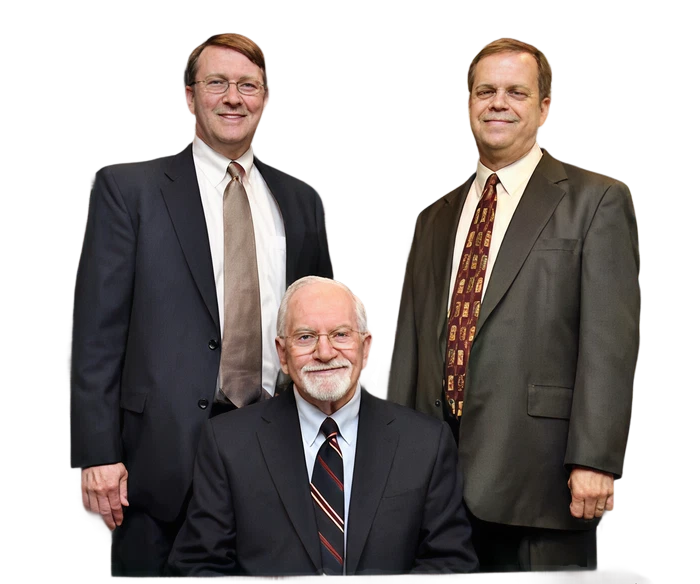
At Andrews, Bongar, Gormley & Clagett, we have been handling bankruptcy cases and stopping foreclosures in Waldorf, Lexington Park, and all of Southern Maryland for over 30 years. Our Southern Maryland bankruptcy lawyers didn’t just jump into it a few years ago when it became profitable, like some other local attorneys. We have been steadily handling bankruptcy cases for decades.
Dave Gormley, our primary bankruptcy attorney, has personally been handling & litigating bankruptcy cases for over 25 years. Watch the video to meet your attorney and find out what will happen when you contact us for a consultation.
Testimonials
Clients Trust Southern Maryland Law
2000+ Satisfied Clients
-
★ ★ ★ ★ ★

Anna C, Google
We used this firm for our Chapter 13. Mr. Gormley was very knowledgeable and compassionate throughout the whole process. He definitely went above and beyond to take care of us. After the bankruptcy was complete we were invited to a seminar about bouncing back. That invitation and…Read MoreACAnna C.
-
★ ★ ★ ★ ★
Anna J, Google
I can not say enough about working with this team. Dave Gormley is one of the nicest most knowledgeable, but still down to earth lawyers that I have ever had the privilege of doing business with. He goes above and beyond to help anyone that I have referred to him. Not only is thi…Read MoreAJAnna J.
-
★ ★ ★ ★ ★
Judith K, Google
I want to thank Tucker Clagett of Andrews Bongar Gormley & Clagett for taking my case when other law firms told me I “didn’t have a chance of winning”; well, we did win because Mr. Clagett displays something more than having a JD and experience. He also has a determined…Read MoreJKJudith K.
-
★ ★ ★ ★ ★
Kenya H, Google
I used the firm for filing my Chapter 7. Mr. Gormely was courteous, professional, knowledgeable and responsive to my inquiries. He took time to explain the process to me and answer all of my questions during the first consultation which was free. The entire staff at Gormley &…Read MoreKHKenya H.
-
★ ★ ★ ★ ★
Janery R, Google
Very professional and helpful. Atty. Clagett is very nice person and willingly to help you as much as he can. I love his staff especially Ms. Amanda. She is always there when I have questiones to ask. My case was new for me and I have no clue or idea how to deal with it but she i…Read MoreJRJanery R.
-
★ ★ ★ ★ ★
Michael G, Google
I was involved in a motorcycle collision in 2013, it required a year of physical therapy, and 38 days in the hospital. Tucker Clagett worked with my wife and I while managing all legal affairs for us. I had to only focus on my recover while he and his staff handled all other aspe…Read MoreMGMichael G.
-
★ ★ ★ ★ ★
Shelah P, Google
My husband and I are extremely satisfied with the legal assistance we have received from Dave Gormley. He has been helpful and always answered our questions throughout the process. A long time ago I worked for a law firm in Dallas and the hardest thing would be attorney availabil…Read MoreSPShelah P.
-
★ ★ ★ ★ ★
Wanda B, Google
While caring for our increasing sick Mother, one of the most difficult experiences my sister and I struggle to manage, Dave Gormley and his staff continued to go over and above what was expected. Our Mom was very ill and had not formalized her final wishes. She was too weak to go…Read MoreWBWanda B.
-
★ ★ ★ ★ ★
Delphine B, Google
From the first time that when I met with Attorney Gormley he was attentive and showed concerned about my situation. He was very strategic about his approach to my situation. The staff is very professional and proficient. He is an expert in what he do, and I very grateful and appr…Read MoreDBDelphine B.
-
★ ★ ★ ★ ★
Heather B, Google
Mr. Gormley has been my attorney for years due to an extremely turbulent divorce, which lead to a financial breaking point a few years ago. He’s been nothing short of stellar during the entire debacle, consistently providing courses of action when the situation seemed hopeless….Read MoreHBHeather B.

Our bankruptcy attorneys in Waldorf and Lexington Park have handled thousands of bankruptcy cases. We have stopped thousands of foreclosures. Chances are we have handled a case similar to yours in the past. That knowledge and experience are what you get when you hire an experienced bankruptcy lawyer at Southern Maryland Law to handle your bankruptcy case.
Free Online Legal Advice – We are the only local law firm giving you free legal advice right here on our website. You should be informed before you hire an attorney.
Here is some of the free legal advice we give about bankruptcy:
- See our Free Legal Guide to Bankruptcy in Maryland.
- See our other Client Resources explaining all aspects of the case, so you know what to expect.
- See our guide on how to rebuild your credit after a bankruptcy.
Flat Fees – Our lawyers charge a flat fee for all bankruptcy cases. The exact fee will be set at the time of your consultation, since we must assess what is needed in your particular case. Bankruptcy is not “one size fits all” – despite what other law firms may tell you on the phone (before you come in to see them). All consultations for bankruptcy cases are 100% no obligation.
Hire a Truly Local Bankruptcy Attorney – We are truly local lawyers – serving clients in Charles County, St. Mary’s County, and Prince George’s County. Our dedicated Southern Maryland bankruptcy attorneys know the local court systems in Greenbelt, La Plata, Leonardtown, and Upper Marlboro. Learn more about us by clicking here.
What To Do Now – If you are thinking about bankruptcy, or facing foreclosure, a Southern Maryland bankruptcy attorney at Southern Maryland Law can help. Contact us for a consultation. We will review your personal situation, explain the law of bankruptcy in Maryland, and give you options to consider.
Bankruptcy is not always the answer. But in the right situation, it can be a powerful tool to give you the fresh start you need.

If you are facing bankruptcy or have questions about your options, contact our Waldorf bankruptcy lawyers today.
Discover What You Need to Know About Bankruptcy in Maryland – Click here to see our Free Legal Guide to Bankruptcy in Maryland. Or see the United States Courts Bankruptcy Basics page. Know your options. Be informed. Protect yourself.

"*" indicates required fields


Contact Us
Thank you for contacting Southern Maryland Law. You can fill out the form, and we will be happy to contact you directly, or just call us to schedule a consultation. We look forward to discussing your case with you.

Maryland Bankruptcy Guide
Do you need a fresh start? Is it time to look at your options? You cannot take action to protect yourself and your family unless you know your options. When you know your options, you can make informed, intelligent decisions and choose the best path.
We are Maryland bankruptcy legal team, and we wrote this Free Legal Guide to Maryland Bankruptcy so you can quickly & easily discover the answers to your legal questions. Know your options and be informed before you make big decisions about your Maryland bankruptcy case – like hiring a lawyer.
You can learn a lot in just 15 minutes by reading this guide now.
Who Will Handle My Bankruptcy Case in Maryland?
When you hire our law firm for your legal case, you don’t just hire a single attorney. You hire a team. Each practice area has at least two attorneys who handle that area of law, so you have backup when you need it. Our paralegals are highly trained and have lots of experience. Plus they are unfailingly nice & pleasant to work with. You will love working with them!
Dave Gormley, Partner
Practice Area
Dave Gormley is a Partner at Andrews, Bongar, Gormley & Clagett and is the head of our bankruptcy and real estate departments. He has been handling bankruptcy cases since the 1990s – even before the bankruptcy laws changed so dramatically in 2005.
Dave has been very active in stopping the wave of foreclosures in Maryland that occurred after 2008 when the financial crisis hit. There isn’t much related to bankruptcy or foreclosure he has not already seen. Dave is admitted to practice in Maryland and the Federal Courts, including the U.S. Bankruptcy Court and the U.S. Supreme Court.
Nashiea Smith is a Parnter who also helps manage the bankruptcy cases. Nasheia worked for a non profit agency before she joined our firm. She developed and gained the skill of cultivating positive relationships with clients to counsel them through difficult, emotional issues.
Together, they are your bankruptcy team.

Nasheia Smith, Partner
Practice Area
Nasheia Smith is a partner at Andrews, Bongar, and Gormley & Clagett. She focuses her practice on Bankruptcy, Estate Planning, Probate, and FamilyLaw.
Nasheia wrote the book on wills and estate planning when she wrote our Free Legal Guide to Wills and Estate Planning in Maryland. She also co-wrote our Free Legal Guides to Divorce and Child Custody with Kathryn Lawryszek.
Nasheia is originally from Washington, D.C, and grew up in Clinton, Maryland. She has a lot of family in Prince George’s County. Nasheia has lived in the DC area all of her life.
Nasheia attended Bowie State University for undergraduate college. She then went on to attend the University of Baltimore School of Law. After law school, Nasheia served as an Assistant State’s Attorney in Baltimore before deciding to come back home to Prince George’s County.

Is Bankruptcy a Good Option for Me?
There are some unfortunate preconceived notions about bankruptcy. But the truth of the matter is that many more individuals and couples file for bankruptcy than most people realize. Especially in today’s trying times, filing for bankruptcy can provide a much-needed financial lifeline to individuals and couples who are struggling to pay their bills month-to-month.
If bankruptcy were just for people who wanted to get out of paying what they owe, then the bankruptcy laws we have today would not exist.
In fact, the law would be much different. The laws we have today are designed specifically to help people who have come upon financial hardships unexpectedly. Sometimes people simply need a little bit of help to regain their financial footing.
Which Type of Bankruptcy Should I File?
When it comes to filing for bankruptcy, most people have two primary options: (i) they can file under Chapter 7, or (ii) they can file under Chapter 13.
Which option makes the most sense for you depends on your personal financial circumstances. The specific types of debts that you are struggling to pay are a particularly important consideration.
When you schedule a consultation at Andrews, Bongar, Gormley & Clagett, one of our bankruptcy attorneys in Waldorf or Lexington Park will work with you one on one to help you decide whether to file under Chapter 7 or Chapter 13.
Once you make this decision, we will take the lead for the entire bankruptcy process, including
- Helping you collect necessary financial documents;
- Advising you on compliance with all bankruptcy requirements;
- Preparing all the necessary paperwork on your behalf;
- Developing a strategy that minimizes the bankruptcy’s negative effects; and
- Representing you in court.
Our goal is to help you make informed decisions with your long-term best interests in mind.
Filing for Chapter 7 Bankruptcy
Chapter 7 bankruptcy is a good option for individuals and couples who are plagued by debt and who truly need a fresh start. When you successfully file for bankruptcy under Chapter 7, it will wipe out your unsecured debts entirely.
You must continue to make payments on your secured debts (e.g., your car loan and mortgage). However, this means in many situations you will get to keep your car and your home despite filing for bankruptcy.
Since a Chapter 7 bankruptcy results in unsecured creditors not getting paid, this option is not available to everyone. To qualify for a Chapter 7 bankruptcy, you must not:
- Earn above Maryland’s median income (unless you pass the “means test”);
- Have had your debts discharged in a Chapter 7 bankruptcy within the past eight years;
- Have reorganized your debts in a Chapter 13 bankruptcy within the past six years; or
- Have had a Chapter 7 or Chapter 13 bankruptcy petition dismissed within the past 180 days for certain specific reasons.
Additionally, there must not be evidence to suggest that you have intentionally attempted to hide assets from your creditors or run up debts that you knew you could not afford to pay. For example, if you have run up credit card charges for luxury items while struggling to pay your utility bills, then it is possible that the court could deny your Chapter 7 bankruptcy petition.
At Southern Maryland Law, our Waldorf bankruptcy attorney can determine if you are eligible to file under Chapter 7. If there are any concerns about your eligibility, we can help you address them proactively. This will make it possible for you to still achieve a favorable result in the bankruptcy court.
Filing for Chapter 13 Bankruptcy
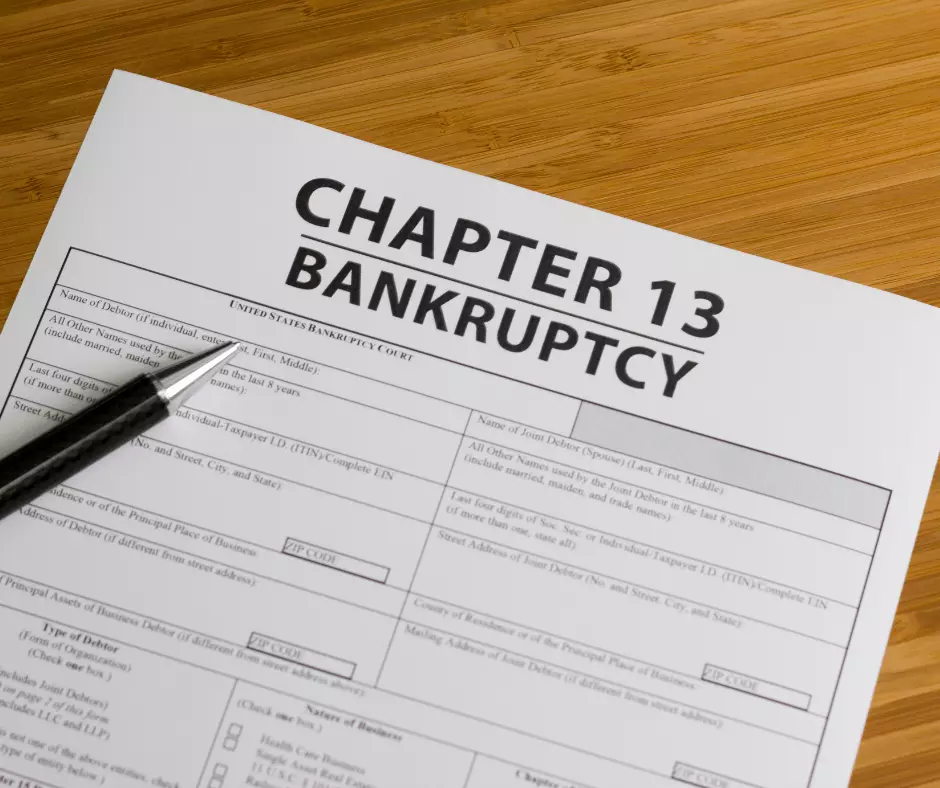
Regardless of whether you are eligible to file for bankruptcy under Chapter 7, you may also be eligible under Chapter 13. A Chapter 13 bankruptcy is known as a “payment plan” bankruptcy. It involves developing a payment plan that you can afford so that you can pay off your debts over time.
Depending on your income, you could make payments on your Chapter 13 plan for three or five years. Our Maryland Chapter 13 bankruptcy lawyers have over 30 years of experience helping individuals achieve debt relief through bankruptcy.
Debt Repayment in Chapter 13 Bankruptcy
In Chapter 13, you must pay some debts in full, but your plan can reduce others to their liquidation value. The first category of debts—secured debts—are secured by collateral. Your plan must pay secured creditors for at least the collateral’s value.
The chance to reschedule unsecured debts can mean lower payments. Repayments for certain debts, such as a home mortgage, may be paid outside the plan. You may continue to pay these debts under the original loan repayment schedule. If you are behind on your mortgage, your plan must include bringing the arrearage current to keep your home.
The second type of debt—unsecured debts—are not backed by collateral and include medical bills and credit cards. You may not have to pay unsecured debts in full so long as your plan:
- Pledges all projected “disposable income” over the plan’s term; and
- Pays unsecured creditors at least as much under the plan as they would get if you liquidate your assets under Chapter 7.
Your Maryland Chapter 13 bankruptcy lawyers will help you navigate the process.
Who Benefits from Filing Chapter 13 in Maryland?
The biggest advantage of Chapter 13 is that you can keep your property and bring the payments current over time. This can be a way to stop a foreclosure and save your house. The key to success, however, is continuing to make your payments on time. The Waldorf Chapter 13 lawyers at Southern Maryland Law will help you draft a plan that you can feasibly maintain.
Filing under Chapter 13 is a good option for individuals and couples facing a broad range of circumstances. Our Lexington Park bankruptcy lawyers can help you decide if this option makes sense for you.
What Debts Can Be Discharged in Bankruptcy?
Bankruptcy allows individuals to eliminate or restructure certain debts, providing financial relief. However, not all obligations qualify for discharge. Some remain the debtor’s responsibility even after filing. Below is an overview of which debts may be erased and which must still be repaid.
Debts That Can Be Discharged
The following types of debt are eligible for discharge in bankruptcy:
- Credit card balances. Unsecured credit card debt, including past-due payments, penalties, and over-limit fees, can be eliminated. However, fraudulent charges or luxury purchases made shortly before filing may not qualify.
- Medical bills. Hospital stays, doctor visits, prescription medications, and emergency treatment costs can be discharged, reducing financial strain from healthcare expenses.
- Personal loans. Unsecured loans from banks, credit unions, payday lenders, and individuals can be eliminated. However, loans secured by collateral, such as auto loans, require continued payments to retain the asset.
- Utility bills. Past-due balances for electricity, water, gas, and phone services can be discharged. Utility providers may require a security deposit before restoring service.
- Certain tax debts. Federal and state tax liabilities that meet specific legal requirements, such as being three years old and properly filed, may qualify for discharge.
A bankruptcy lawyer can help you determine precisely what debts may be eligible for discharge.
Debts That Cannot Be Discharged
Some debts cannot be eliminated in bankruptcy:
- Student loans. These remain enforceable unless the filer proves undue hardship, which requires substantial evidence of extreme financial distress.
- Child support and alimony. Court-ordered domestic support obligations must still be paid. Failure to meet these obligations can result in legal enforcement actions.
- Recent tax debts. Most tax liabilities from the past three years remain due, although older tax debts may qualify for relief under certain conditions.
- Court fines and restitution. Criminal penalties, victim restitution orders, and traffic tickets cannot be discharged and must be satisfied in full.
A bankruptcy attorney can assess your financial situation and determine which debts qualify for discharge under Maryland and federal bankruptcy laws.
Maryland Bankruptcy Exemptions: Protecting Your Assets
One major concern about filing for bankruptcy is whether it will result in losing essential property. Maryland law allows exemptions that safeguard necessary assets from liquidation, ensuring filers maintain basic living necessities.
Key Exemptions in Maryland
Maryland law allows filers to protect certain assets from liquidation:
- Homestead exemption. Up to $125,000 in equity in your residence.(effective 6/1/26)
- Wild Card exempton . Up to $6,000 of property of any kind.
This exemption is often used to protect the equity in a car or truck. Equity in a vehicle can be protected, allowing filers to keep a car or truck if payments remain current. See our post Can You Keep Your Car When You file for Bankruptcy.
- Personal property exemption. Household goods, furniture, appliances, clothing, and personal items receive up to $5,000 in protection to ensure basic necessities are retained.
- Retirement accounts. 401(k)s, IRAs, pensions, and other qualified retirement accounts remain fully exempt, preventing the loss of long-term savings.
- Wages and benefits. Earned wages, Social Security benefits, disability payments, workers’ compensation, and unemployment benefits remain protected under Maryland law.
Maryland law does not permit the use of federal bankruptcy exemptions, so individuals must rely solely on state-specific protections. Strategic exemption planning with a bankruptcy lawyer helps maximize asset retention.
Ready to Take Control of Your Financial Future? Southern Maryland Law is Here to Help – Here’s Your Next Step
If you are thinking about filing for bankruptcy in Southern Maryland, what are your next steps?
First, read our Free Legal Guide. Our attorney has prepared a comprehensive guide for individuals and couples who are considering bankruptcy. We encourage you to read this free resource to learn more about your situation.
Then, you should speak with bankruptcy attorneys in Waldorf, MD about your options, and find out if bankruptcy is right for you. Only a consultation will give you personalized legal advice for your particular case. Contact us now to schedule a no-obligation consultation at Southern Maryland Law.
We have been helping individuals and couples in Waldorf, Lexington Park, and all other areas in Southern Maryland secure financial relief through the bankruptcy process for over 35 years. Our lawyers are intimately familiar with all aspects of the bankruptcy process. We know when and how to secure bankruptcy relief for our clients.
Our Waldorf bankruptcy lawyers also know that dealing with financial strain can be incredibly difficult. For this reason, many people are hesitant to speak with a legal practitioner about filing for bankruptcy. If you need help, we encourage you to get in touch. We want you to know that we are here to help in any way we can.
While we will help you file for bankruptcy if it is in your best interests to do so, we will also recommend alternatives to bankruptcy if they make more sense for your personal circumstances.
Questions? Let’s talk. Schedule your consultation with a Waldorf bankruptcy lawyer at Southern Maryland Law today.
Frequently Asked Questions
Filing for bankruptcy impacts credit scores, but many individuals recover financially over time:
- Chapter 7 remains on credit reports for 10 years. While this is a significant time frame, many filers begin receiving credit offers within months.
- Chapter 13 remains on reports for 7 years. Successfully completing a repayment plan can improve creditworthiness over time.
- Rebuilding begins immediately. Paying bills on time, obtaining a secured credit card, and keeping debt balances low can accelerate credit recovery.
While bankruptcy affects creditworthiness, it also provides a fresh start. Many individuals see improvement within one to two years by adopting responsible financial habits.
Many individuals retain their homes and vehicles after filing:
- Chapter 7 bankruptcy. Homeowners can keep their residence if mortgage payments remain current and equity falls within exemption limits. Vehicles with low equity or those protected under Maryland’s motor vehicle exemption may also be retained.
- Chapter 13 bankruptcy. A repayment plan allows individuals to catch up on past-due mortgage or car loan payments, preventing foreclosure or repossession.
Consulting a bankruptcy lawyer helps ensure you maximize asset protection and understand your rights under Maryland law.
Yes. Once bankruptcy is filed, the automatic stay prevents creditors from attempting collection efforts:
- All collection actions must stop. Creditors can no longer contact you, initiate lawsuits, or garnish wages.
- Foreclosures and repossessions are halted. Bankruptcy provides immediate relief, preventing property seizure while your case proceeds.
- Legal protection is enforced. If a creditor continues collection efforts after filing, legal action may be taken against them.
For individuals overwhelmed by debt collection, bankruptcy provides immediate relief, allowing a path toward financial stability.
Why Choose Southern Maryland Law?
We are your community law firm
We have been a vibrant part of Waldorf for over 60 years. Waldorf has been very good to us, and we try to repay that kindness with community service. We believe giving back to our Waldorf community is part of our job.
Large enough, yet small enough
We are large enough to provide full service, but small enough to focus on you. The large firms that have satellite offices in Waldorf have dozens of attorneys who don’t live here. They use case managers to handle their clients. At Southern Maryland Law, you will be a name – not a number.
The senior law firm in Waldorf
We are the oldest law firm in Waldorf, and the 2nd oldest in all of Southern Maryland! We have stayed busy because we get results and treat our clients right. We would never have lasted this long if we did not.
Not your grandfather’s law firm
While our firm has been around a long time, we are not what you think lawyers are like. We pride ourselves on being a little more approachable, a little more casual, and a little more likeable than the average lawyer. We are real people with real solutions to your real problems.